
I am surely not the only one who really likes the aesthetics of a fully integrated carbon cockpit but who does not want to spend 400 bucks on such an upgrade. Well luckily AliExpress exisists and I have taken the plunge and bought a relatively cheap competitor to those carbon one-piece cockpits - the TOSEEK TR5500. This cockpit promises internal cable routing and an included computer mount — all for under $100.
I have been riding it for a couple of weeks now, and the short version is this: It is genuinely excellent, with one cosmetic annoyance that I need to talk about.
What you get
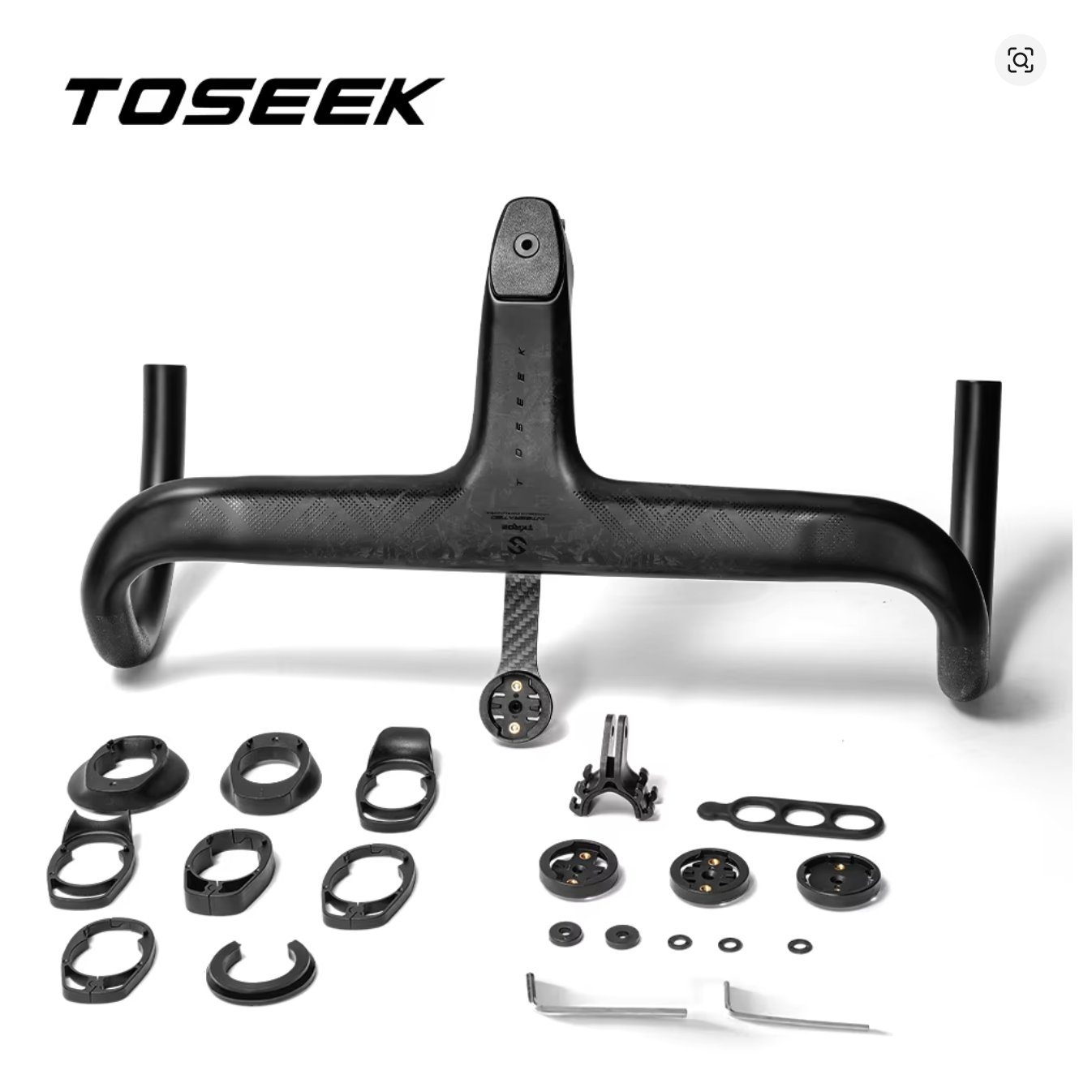
The TR5500 arrives well packaged in a foam-lined box. Inside you get the handlebar-stem unit, a set of spacers, a carbon computer mount, and the necessary hardware. The matte black finish is clean and consistent across the entire bar. The carbon layup is neat — no visible voids, no rough patches around the junction where the stem meets the drops. It looks and feels like a product that costs considerably more than it does.
These are my specs:
- Width: 380mm
- Length: 90mm
- Price Paid: 89 USD (Jan 2026)
- Extras: incl. computer mount & all headset adapters
Specifications are competitive with bars at twice the price. The steerer clamp is 28.6 mm (standard 1-1/8"), the stem angle is -8 degrees, the reach is 75 mm, and the drop is 130 mm. Width options run from 360 mm to 440 mm, and stem lengths from 70 mm to 120 mm — which means nearly any rider can find a combination that matches their fit. I went with the 380 mm width and 90 mm stem length, and on my kitchen scale it came in at under 350 grams. That is below the claimed weight, which almost never happens with AliExpress carbon parts. For an integrated cockpit at this price, that number is genuinely impressive.
The ride: zero flex, zero complaints
This is where the TOSEEK impressed me - by far - the most. I expected some compliance, after all these are (in the grand scheme of things) relatively budget carbon bars and they do sometimes feel slightly noodly when you sprint out of the saddle or hammer through a fast(ish) descent. The TR5500 has none of that. It is extremely solid. I stood on the pedals and threw the bike side to side with everything I had, and the cockpit felt completely planted. No creak, no flex, no ambiguity about where the front wheel is pointing. It feels like a single piece of structure from the stem clamp all the way to the hoods, which of course it is — but not every integrated bar achieves that sensation.
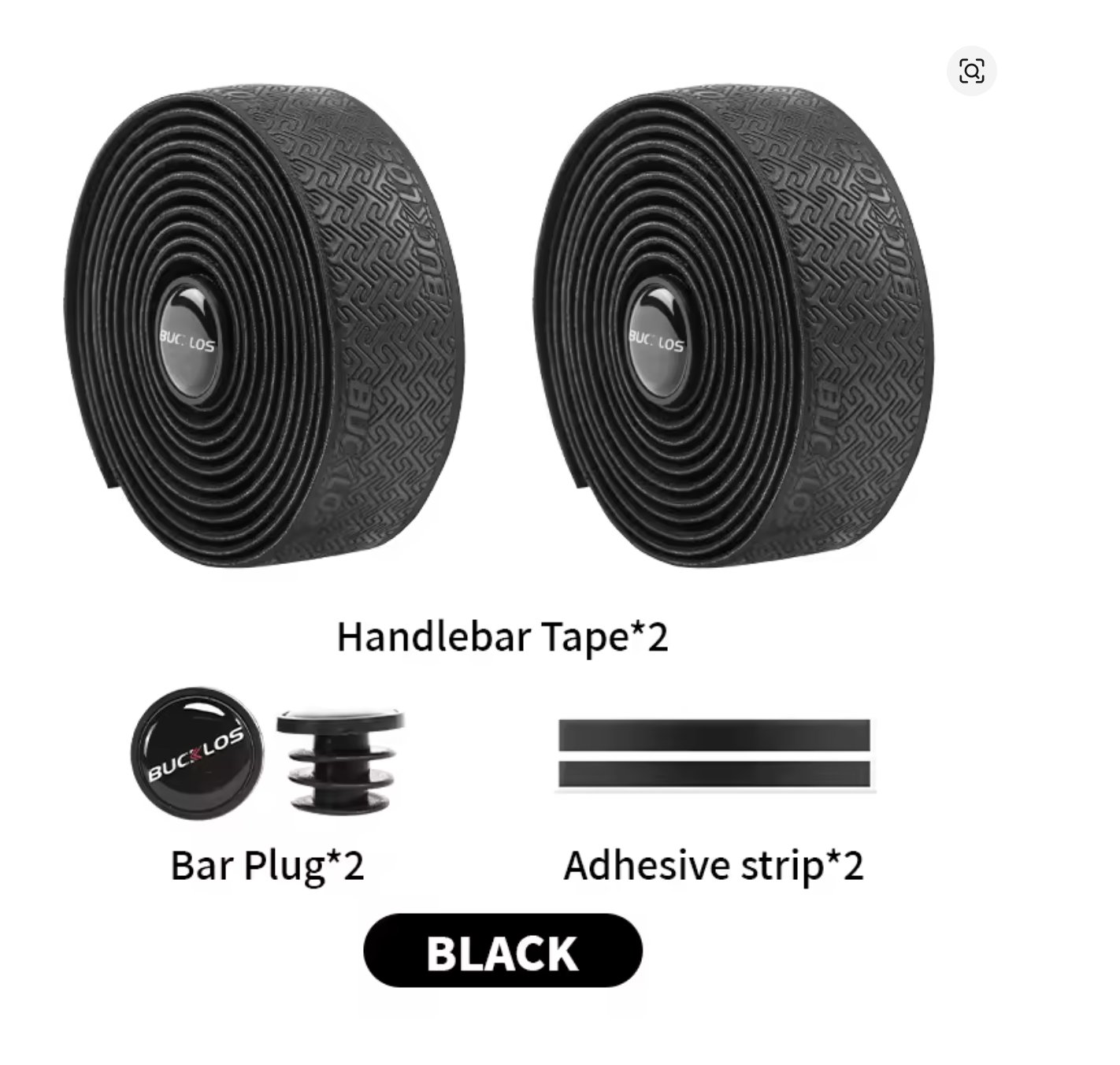
On longer rides, the stiffness translates to slightly more road buzz through the hands than a traditional aluminium bar with a separate stem would give you. That is the trade-off with any rigid one-piece cockpit. Good bar tape and gloves solve it entirely. I wrapped mine with 3 mm Lizard Skins and have had no comfort issues on rides up to four hours.
The logo problem
I need to be honest about this because it will bother some people more than others. The TOSEEK logo on the stem face is not quite aligned. On my unit it sits slightly off-centre and at a faint angle — maybe two degrees. It is a cosmetic issue only. It does not affect fit, function, or structural integrity in any way. But on a part that you stare at for every ride, it is noticeable once you see it, and it is annoying. It is not a dealbreaker for me — I care far more about how the bar rides than how the logo sits — but if cosmetic perfection matters to you, be aware that quality control on branding details is not where it needs to be.
How it compares to the Avian Canary
The obvious comparison is the Avian Canary, which has become the go-to integrated handlebar in the weight-weenie and budget-performance communities. The Canary uses T1100 carbon with graphene in its latest revision, weighs around 250 to 280 grams depending on size, and comes with titanium bolts and a carbon computer mount. It is a beautiful piece of engineering — and it costs around $250 to $300 depending on configuration. That puts it firmly outside what most budget-conscious riders would consider reasonable for a handlebar, even if it undercuts the big brands by hundreds.
The TOSEEK TR5500 does not try to compete on weight. At under 380 grams for my 380 mm unit it is roughly 70 to 90 grams heavier than the Canary depending on size. But it costs less than a third of the price. For a rider who wants the clean look and aero benefit of an integrated cockpit without spending $250 or more, the TR5500 is the more compelling proposition. The stiffness is comparable — I have ridden both, and the TR5500 does not feel like a lesser bar under load. The Canary wins on weight, finish quality, and attention to detail. The TOSEEK wins on value by a wide margin. Both are legitimate products. Your priorities determine which one makes sense.
Who this bar is for
If you are building up a bike on a budget, upgrading from a stock aluminium cockpit, or simply curious whether integrated handlebars are worth the hype before committing serious money — the TR5500 is the bar to try. It gives you full internal routing, genuine stiffness, and a clean aesthetic for less than $80. That is less than most people spend on bar tape and a stem separately. The logo alignment is a minor irritation on an otherwise excellent product, and it is one I am happy to live with given what this bar delivers on the road.




Comments
No comments yet. Be the first to share your thoughts!
Leave a Comment