
A bottle cage is the least interesting component on a bike and one of the easiest to get wrong. Buy the cheapest plastic one and it holds a bottle perfectly well until the day it does not, usually on a rough descent with nobody around to hand it back to you. Buy a branded carbon one and you have spent the price of a decent tyre on a bracket. I have worked through a lot of the cheap options, and the one I stopped replacing is titanium.
The full test of the cages I ran through is in the video above. This post is about where I landed: a titanium cage paired with a set of titanium M5x12 bolts, which together cost a small fraction of a single branded titanium cage.
What you actually get
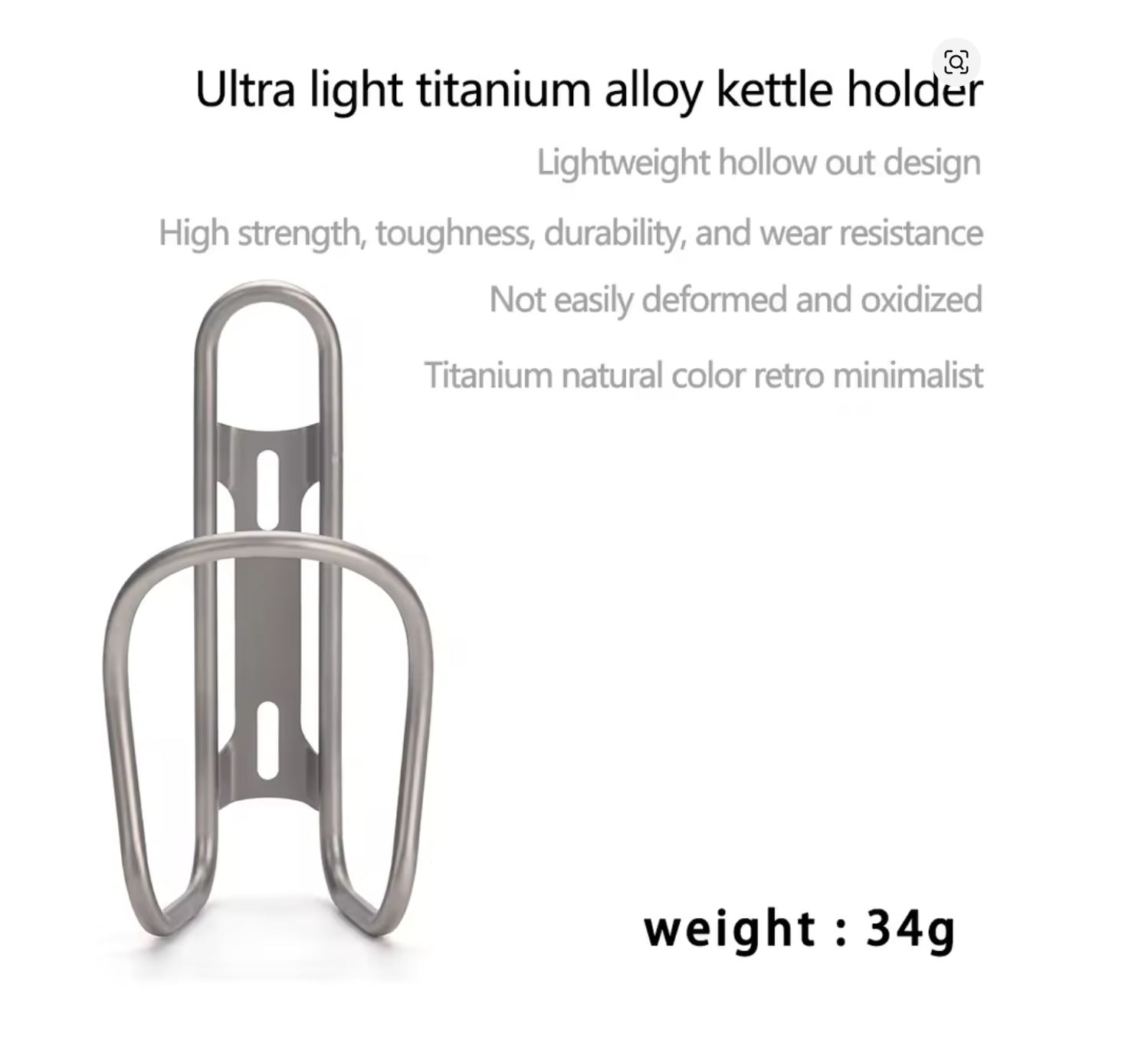
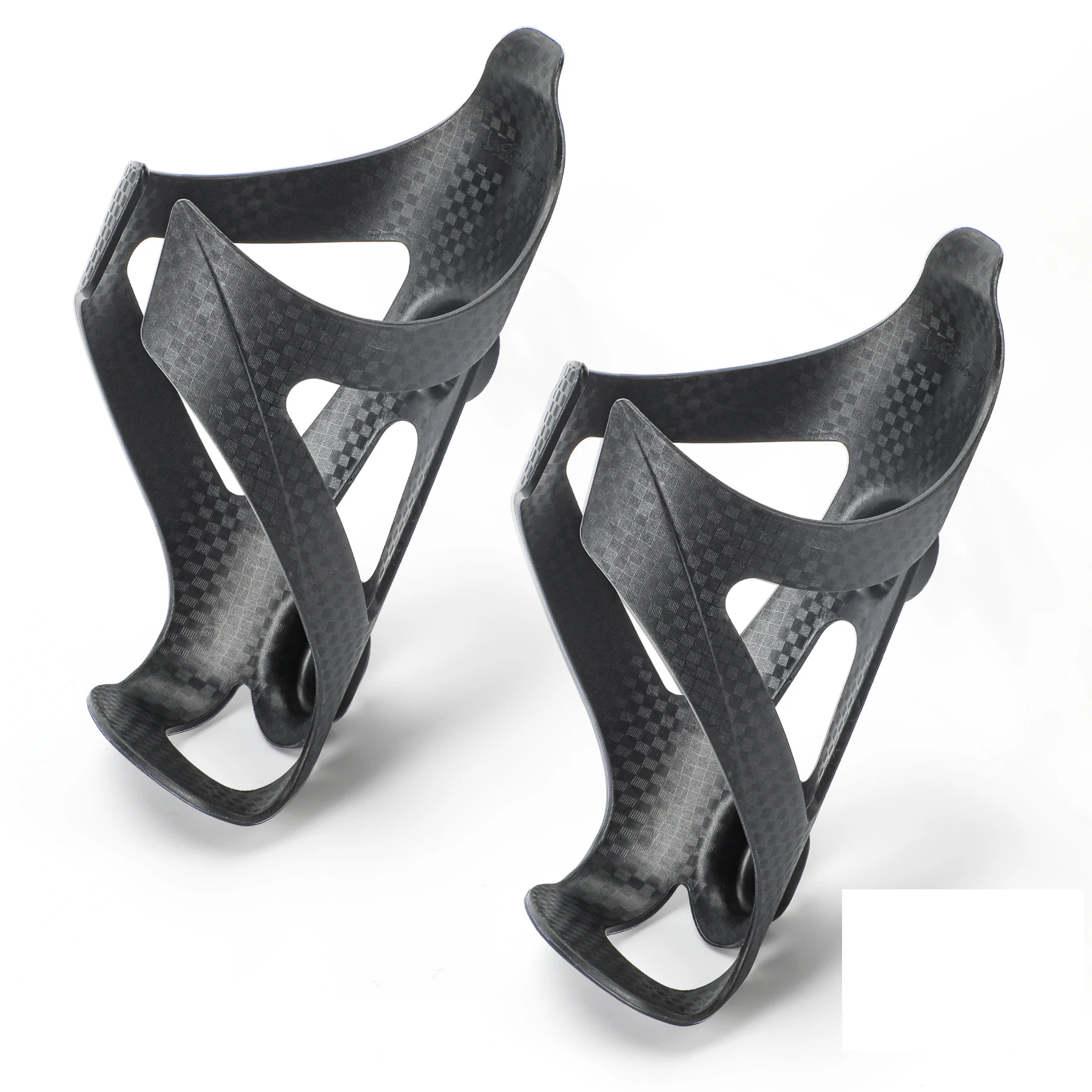
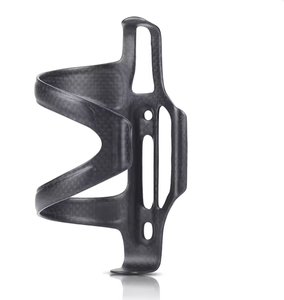
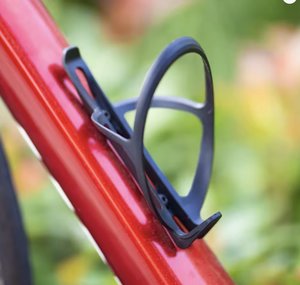
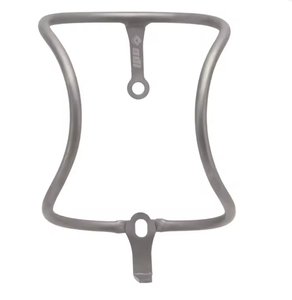
The cage is a titanium bottle cage for standard road and MTB frames, with the usual two-bolt mount. On my scale it came in at 34.3 grams. The listing calls it ultralight, and that word is doing some work: the lightest carbon cages I have tested sit at 8 to 9 grams, and a plain plastic cage lands in much the same ballpark as this one. Treat "ultralight" here as marketing and judge the cage on everything else.
There is nothing clever going on beyond that. It is bent titanium rod shaped to grip a bottle, which is precisely why it works.
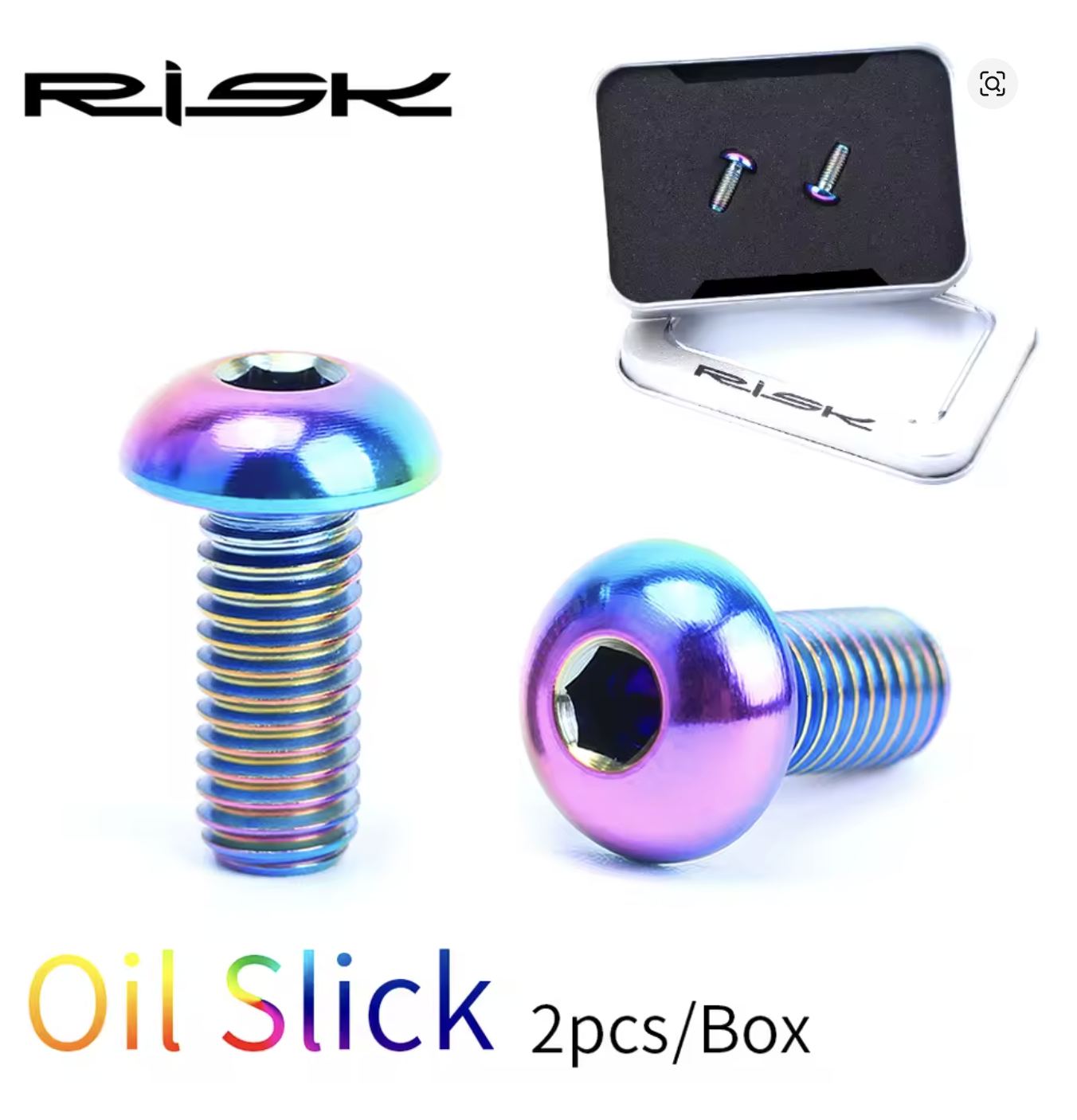
The bolts are a separate purchase and worth making at the same time. They are RISK-branded titanium alloy, M5x12, and they come two to a box. M5 is the standard bottle cage thread on essentially every modern frame, and 12 mm is the right length for a cage mounted straight to frame bosses. Two bolts is exactly one cage, so order two boxes if you are doing a full bike.
One thing worth checking on the listing before you order: the seller sells these bolts for pump brackets and accessory mounts as well, so confirm you are picking the M5x12 option rather than a different length.
Why titanium is the one I would buy
The argument for titanium here has nothing to do with weight. At 34.3 grams it gives away real grams to a carbon cage and saves you nothing against plastic. You buy it because it is the last bottle cage you will buy.
Plastic cages fatigue. They spend their life being flexed every time a bottle goes in and out, they sit in UV all summer, and eventually one of the arms gives up with very little warning. Carbon cages are lighter and stiffer, and they also crack if you clip one on a bike rack or over-torque the bolts. Aluminium bends and stays bent.
Titanium does none of that. It does not corrode, it does not fatigue in the way plastic does, and it flexes back to where it started. Salt, winter grit, a summer of UV, a wet drivetrain dripping on it: none of that touches it. When you sell the bike or strip it for a rebuild, the cage moves to the next frame looking the same as the day you fitted it. I have cages on my bikes that have outlasted the bikes.
That is the whole pitch. It is a boring, permanent solution to a small problem, at a price where being permanent actually makes sense.
The honest compromise: it costs more than plastic
This is the part where I have to be straight with you, because it is the only real reason not to buy one.
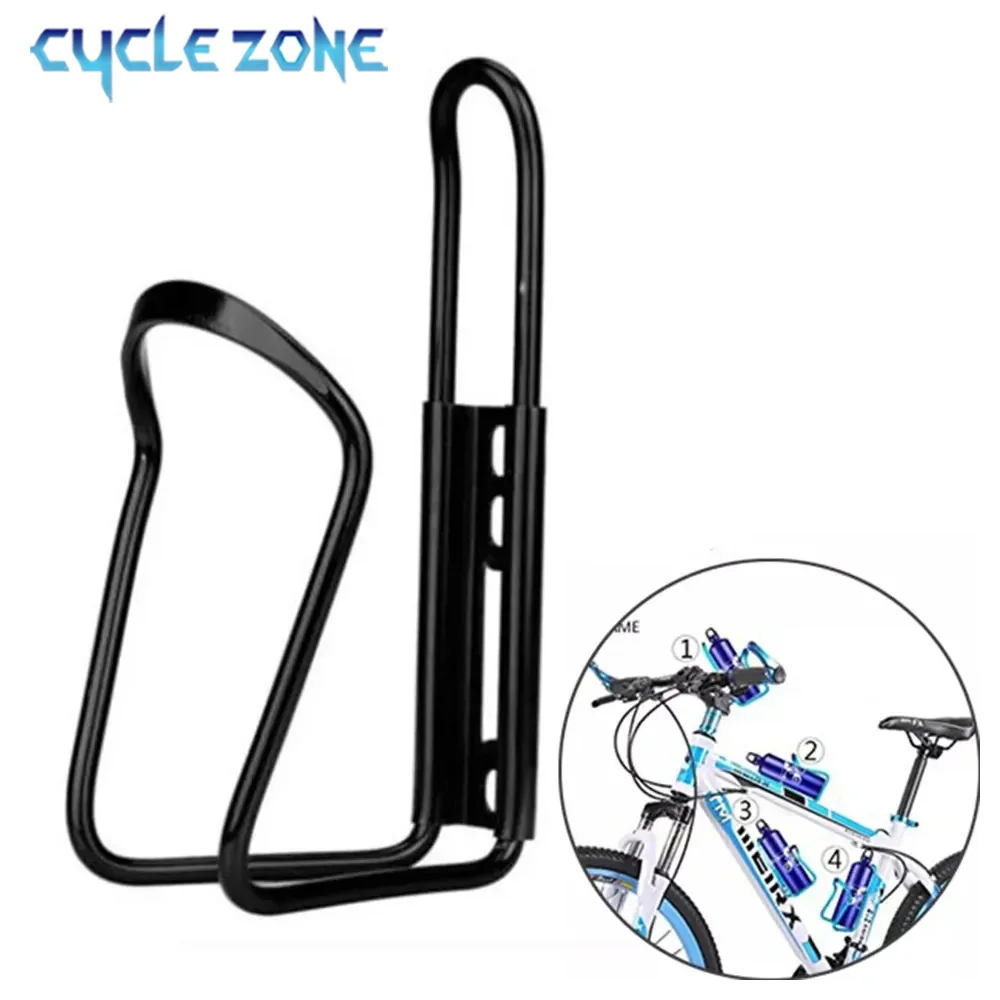
A working plastic cage from the same marketplace costs a couple of dollars. This titanium one costs several times that. In absolute terms it is still cheap, and it is a long way below what a branded titanium cage from a Western manufacturer will cost you. In relative terms you are paying a real multiple over the cheapest thing that holds a bottle, and a plastic cage holds a bottle perfectly well.
So the maths depends entirely on the bike:
- On your main bike, the one you intend to keep, the titanium cage is easy to justify. Spread over years and possibly across more than one frame, the cost per season rounds to nothing.
- On a beater, a winter hack, or a bikepacking rig that needs four cages at once, buy plastic or aluminium and spend the difference elsewhere. Four titanium cages to hold four bottles on one adventure bike is a hard sell, and the cheap ones will do that job.
If the price puts you off, that instinct is reasonable. Buy the alloy cage instead and you will not be unhappy.
The bolts finish it properly
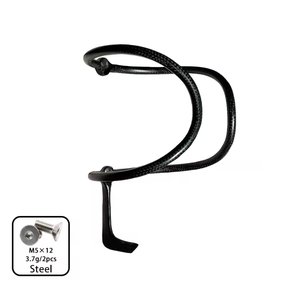
Most cages arrive with generic black steel bolts, or your frame came with whatever was in the box at the factory. They work. They also look like exactly what they are, and on a bike where you have just fitted a raw titanium cage, two black steel heads sitting in the middle of it are the detail that spoils the job.
Titanium bolts fix that for the price of a coffee. Matching raw hardware, no rust streaks running down the down tube after a wet winter, and a finished look rather than an almost-finished one. It is a small thing. Small things are most of what separates a build that looks considered from one that looks assembled.
Practical note: grease the threads, and do not lean on them. Titanium bolts in an aluminium or steel frame want anti-seize, and M5 cage bosses are among the easiest threads on a bike to strip. Snug is plenty.
Who this is for
Buy the titanium cage if this is your main bike, you plan to own it for years, and you would rather solve the bottle cage question once than think about it again. Buy the bolts with it, because you are already paying shipping and they are the cheapest upgrade on the bike.
Skip it if you are chasing the lowest possible weight, because a carbon cage will save you 25 grams for similar money. Skip it if you need several cages at once, if the bike is a winter beater, or if you are perfectly happy with the plastic cage already on there. It is a genuine upgrade and it is not a necessary one.
Verdict
The titanium cage is the cage I stopped replacing, which is the only recommendation that really counts for a part like this. It costs more than plastic and it will outlive the frame it is bolted to. Add the titanium bolts and the whole thing looks like it belongs on the bike rather than like the cheapest option that fit.
AliExpress pricing moves constantly, so check what both are going for today before you order, and grab two boxes of bolts if you are fitting two cages.




Comments
No comments yet. Be the first to share your thoughts!
Leave a Comment