
A 3D printed saddle is one of the few genuinely new ideas in cycling of the last decade, and for most of its life it has been priced like jewellery. Specialized lists the S-Works Power with Mirror at around $475, and Fizik the Vento Argo R1 Adaptive at $330.
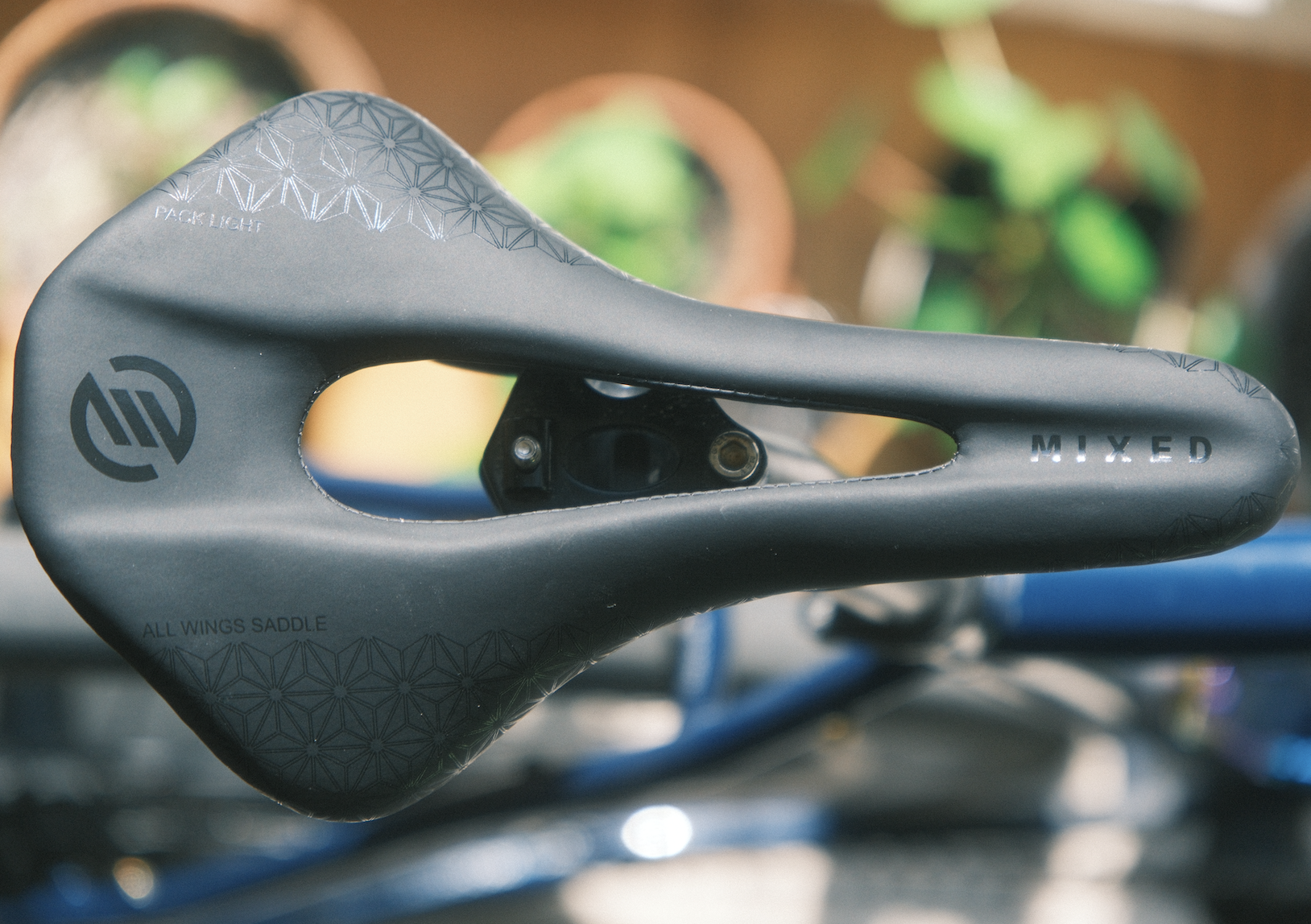
So when the same idea turns up on AliExpress for under $50, the reasonable assumption is that something has been left out. I bought a RYET Aircode about three years ago, and it is now the saddle I would least like to give up. No creaks, no noise, and 200 km days without going numb. It also won the five-saddle comparison in the video above: the MIXED 5D was the surprise of that test, and the RYET is the one I was still riding three years later.
What the listing claims you get
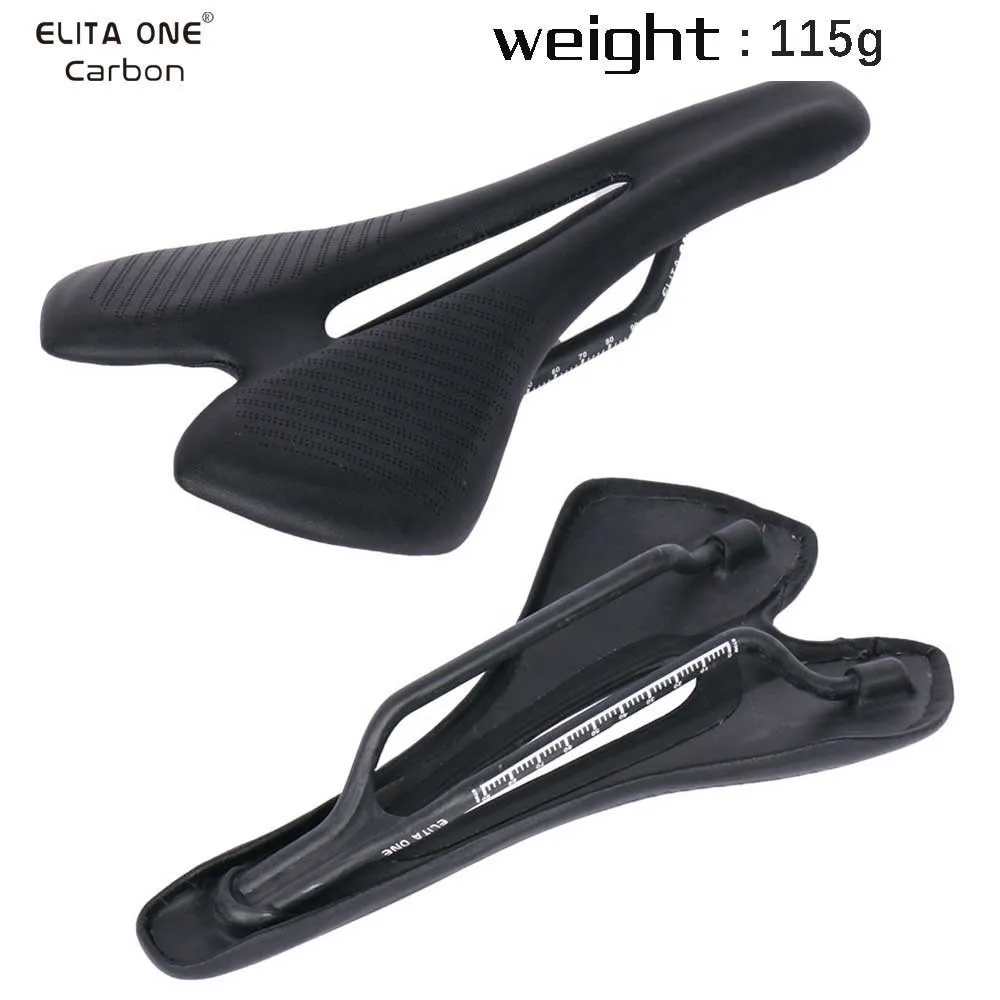
- Shell: full carbon base with the 3D printed lattice on top
- Rails: Toray T1000 carbon, 7x9 mm oval, per the seller's copy
- Size: 255 x 150 mm claimed; one measured unit was 258 x 148 mm
- Claimed weight: 165 g +/- 5 g; owner scales report 155 g to 196 g
- Max system weight: 120 kg per the manual, rider plus bike plus kit
- Torque: 5 to 6 Nm maximum, cross pattern, carbon paste on the rails
Two things to sort out before you order. The same listing sells a plastic base version at a quoted 255 g, and the banner advertises CR-MO steel rails while the manual describes carbon ones. Both are real, and the rails do not follow reliably from the base you pick: one buyer who ordered the plastic base found "full carbon" on his paperwork, and the listing has no rail selector. Ask the seller to confirm in writing.
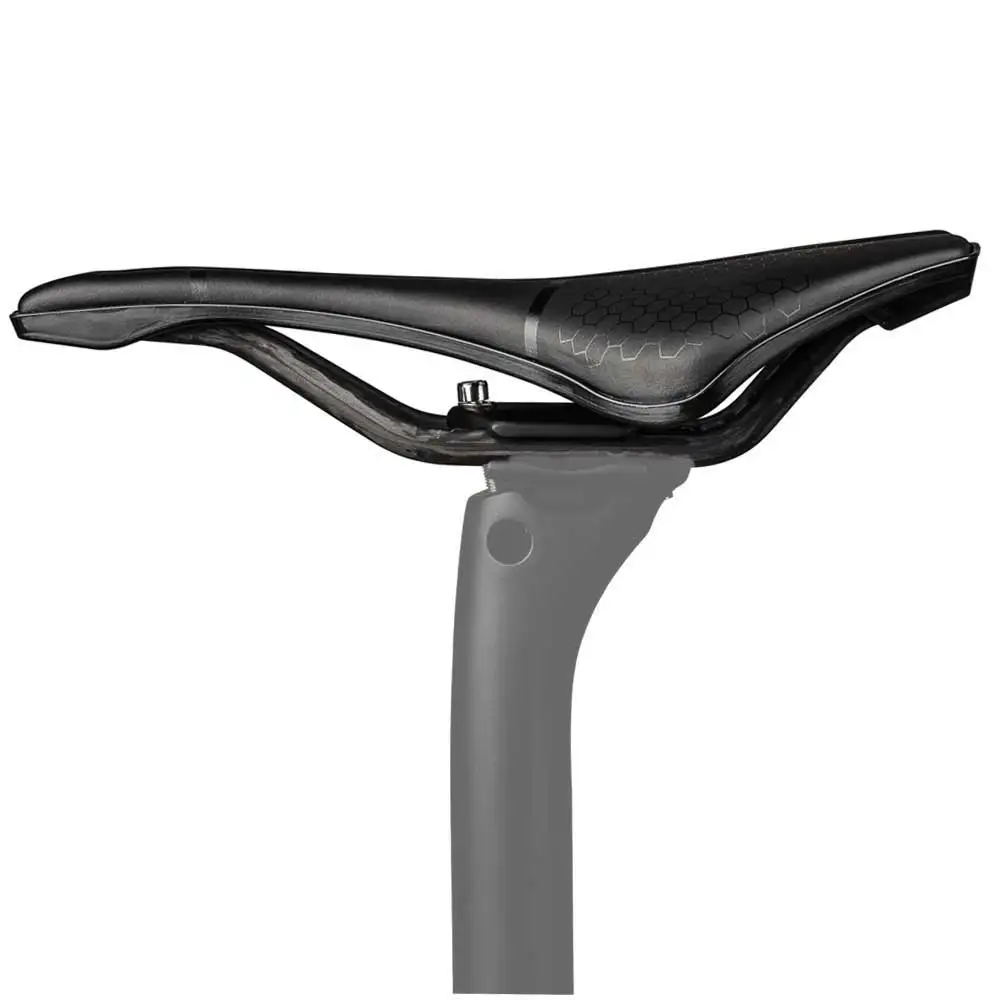
Then check your seatpost. A clamp cut for round 7 mm rails will not take a 7x9 oval. Posts that grip from above and below usually cope, side-clamping posts need a cradle cut for 7x9, and the underside is bulky enough that owners report it fouling Canyon posts.
I paid under $50 three years ago. The carbon version sits above the plastic one, so it is worth checking what it is going for today.
Three years without a single noise
The thing that keeps me on this saddle is boring, and it is the best thing about it: it has never made a sound. A creak that only shows up under load on a climb is one of the more maddening noises to chase on a bike, and this one has stayed silent for three years. Nothing has loosened and nothing has shifted.
The 200 km question
I can ride this saddle past 200 km without numbness, which is the single reason it is still on my bike. I want to be careful about why, because saddle marketing overclaims here badly.
What the evidence supports is width, and getting out of the saddle. In the study that gets quoted most, a narrow heavily padded saddle cost riders 82 percent of their penile oxygen pressure, a wide unpadded one 64 percent, and the widest only 20 percent. Padding thickness on its own made almost no difference in the pooled data. This saddle is 150 mm, wide enough that my sit bones land on the supported part of it.
Saddle comfort is individual, and the best evidenced thing you can do on a long day costs nothing, which is to stand up regularly. Treat my 200 km as one rider's result.
The honest compromise: cleaning it is a chore
The open lattice catches everything. Road spray, sand, grit off a wet gravel road: it all works its way into the honeycomb where a cloth cannot reach it. The manual bans high-pressure water, solvents and abrasives, so what is left is mild soap, a soft brush and patience. On a filthy winter bike that is genuinely annoying. It has never affected how the saddle performs, and it is the one thing I would change about it.
What worries me about the carbon version
Going through the review history on a sibling listing for the same saddle, I found seven buyers reporting a structural failure, every one of them on a carbon base version. Three name the rails: one broke on the first ride, one had "poorly molded rails at the clamping point" give way after two 80 km rides, one broke during a first race. The other four say only that it broke, mostly on the first ride or the first bump.
Two gave their weight as 74 kg and 90 kg. 74 kg is not a heavy rider, and these reports do not sort by weight, which is why they look like a manufacturing lottery. The stakes are worth stating plainly: those reports describe it letting go over a road bump and during a race, so the downside is a crash.
I cannot verify any of them, and I have to be careful with my own three years too. I bought mine around 2023 and every failure report is dated 2025 or 2026. These are OEM saddles sold under several badges from the same mould, so batch quality moves between runs. My unit is evidence about my unit. Printed lattices also soften as they age, and the expensive ones are no better.
So fit it properly. Use a 7x9 oval carbon clamp, carbon paste on the rails, and a torque wrench. The manual gives 5 to 6 Nm as a maximum in a cross pattern, so start at 5, and ignore the 8 Nm figure that circulates online. If it slips, do not tighten harder: clean the rails, add paste, and check the clamp really is cut for 7x9.
Check the rails are straight and parallel before it goes on the bike, since crooked rails and crushed packaging both turn up in the reviews, then watch the clamp area for hairline cracks or whitened fibre. And treat the one-year warranty as decoration: buyers with broken saddles describe partial refunds of 10 or 17 euros. What you have is the AliExpress dispute window, so fit it and ride it straight away, while a bad one is still claimable.
Who this is for
Buy it if you want printed-lattice comfort at a tenth of the branded price, you have a compatible post, and you will fit it with a torque wrench. Think about what a failure would cost you more than about what you weigh: racing and riding a long way from home are where a bad unit hurts most. For cyclocross and mountain bikes the plastic base version is the sensible answer, provided the seller confirms the rails first, and knowing the manual's numbers describe the carbon saddle only.
Skip it if you need a warranty you can actually claim, or if you are not prepared to accept a small chance of a rail failing under you.
Verdict
Three years in, the RYET Aircode is my favourite saddle at any price. It is silent, it is comfortable past 200 km, and it cost less than a set of tyres. The failure reports are real and I would not pretend otherwise.
AliExpress pricing moves constantly, so check what the variant you want is going for today rather than trusting a number I typed weeks ago.





Comments
No comments yet. Be the first to share your thoughts!
Leave a Comment